 Climate Education
 Climate Consulting
 Nature Carbon Projects
 Energy Carbon Projects
 Carbon Trade
Restoration-based carbon projects: why they are essential for the climate future — and how Brazil can lead this agenda
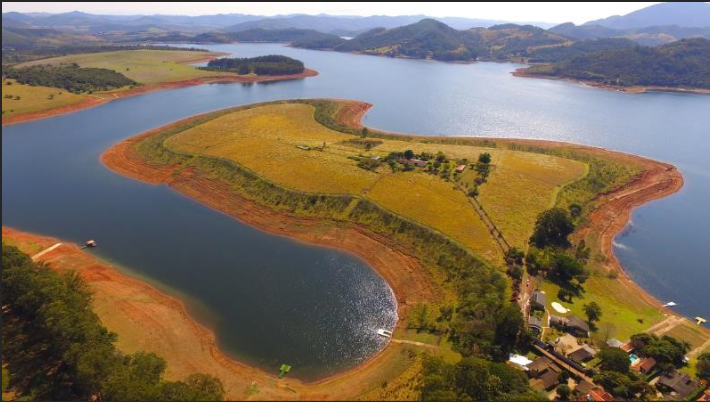
Published on February 03, 2025 ———————————————————————————————————————- Forest restoration is at the heart of nature-based climate solutions. In a global scenario where carbon removal becomes indispensable for countries and companies to meet net-zero emissions targets, restoration projects gain strategic importance — not only because they remove CO₂ from the atmosphere, but because they regenerate landscapes, protect water […]
IFRS S2: Understand why climate becomes a financial, strategic and governance issue from 2026

Published on February 05, 2026 In recent years, the disclosure of sustainability information has evolved rapidly. What was previously treated as a reputational or voluntary issue is now part of the core of corporate and financial decisions. This movement is consolidated with the publication of the IFRS S1 and IFRS S2 standards, developed by the International Sustainability Standards […]
What Are the Main Emission Sources in the Fertilizer Sector? And What Are the Opportunities?

The fertilizer sector in Brazil is a significant source of greenhouse gas (GHG) emissions, primarily due to the intensive use of synthetic nitrogen fertilizers such as urea. When applied to the soil, these fertilizers release nitrous oxide (N₂O), a gas with a global warming potential approximately 298 times higher than that of carbon dioxide (CO₂). […]
Is Product Carbon Footprint Important?

Growing concern over climate change has led companies across all sectors to rethink the production, distribution, and communication of their products. Product carbon footprint has moved beyond a niche technical topic to become a strategic requirement in markets advancing towards decarbonization. Measuring, tracking, and communicating the emissions of each product released to the market is […]
What is SBCE? And Why Does It Matter?

The SBCE (Brazilian Emissions Trading System) is a regulated carbon market, based on a cap-and-trade model, currently under implementation in Brazil. Its main objective is to promote the reduction of greenhouse gas (GHG) emissions in an efficient, cost-effective manner aligned with the country’s climate commitments. Among these, the highlight is Brazil’s new target under the […]
Is it possible to ensure high integrity in private carbon projects in Brazil?

Cases of overestimated credits, lack of benefits for communities, and lack of transparency have called the viability of carbon projects into question in Brazil — from civil society, investors, and regulators alike. However, new approaches in the development of forest initiatives show that it is entirely possible — and necessary — to reverse this scenario, […]